Introduction
Fashion has always been a powerful form of self-expression. The clothes we wear communicate our personality, values, and lifestyle choices. However, in recent years, consumers have become increasingly aware of the environmental and social impact of the fashion industry. As a result, sustainable fashion has evolved from a niche movement into a global trend that continues to reshape how people shop and dress.
Among the growing conversations surrounding ethical clothing and conscious consumerism, sustainable Stileloot com fashion has emerged as a topic of interest for individuals seeking stylish, responsible, and long-lasting wardrobe solutions. Rather than focusing solely on trends that disappear after a season, sustainable fashion encourages thoughtful purchasing decisions that benefit both consumers and the planet.
This article explores what sustainable fashion means, why it matters, how platforms like Stileloot fit into the evolving landscape, and practical ways consumers can build a wardrobe that aligns with modern sustainability principles.
Table of Contents
Understanding Sustainable Fashion
Sustainable fashion refers to clothing, accessories, and production methods designed to minimize environmental impact while promoting ethical labor practices. It focuses on creating products that last longer, use fewer resources, and reduce waste throughout the supply chain.
Unlike fast fashion, which emphasizes rapid production and low prices, sustainable fashion prioritizes quality, transparency, and responsibility.
Key elements of sustainable fashion include:
- Eco-friendly materials
- Ethical manufacturing practices
- Fair wages for workers
- Reduced carbon emissions
- Waste reduction initiatives
- Long-lasting garment design
- Responsible sourcing of raw materials
The goal is not simply to produce clothing but to create a more balanced relationship between consumers, businesses, and the environment.
Why Sustainability Matters in Fashion
The fashion industry is one of the largest industries in the world. While it provides employment and economic opportunities, it also contributes significantly to environmental challenges.
Some major concerns include:
Textile Waste
Millions of tons of clothing end up in landfills every year. Many garments are discarded after only a few uses because they are cheaply made or quickly go out of style.
Water Consumption
Producing fabrics such as conventional cotton requires enormous amounts of water. Sustainable alternatives aim to reduce this consumption through better farming and manufacturing practices.
Pollution
Dyeing and finishing processes can release harmful chemicals into waterways. Sustainable production methods focus on minimizing pollution and using safer alternatives.
Carbon Emissions
Transportation, manufacturing, and material production all contribute to greenhouse gas emissions. Sustainable fashion brands often work to reduce their carbon footprint through efficient operations and local sourcing.
Labor Concerns
Ethical fashion also addresses worker rights, ensuring safe working conditions and fair compensation throughout the supply chain.
These challenges have encouraged consumers to seek brands and platforms that align with more responsible practices.
The Rise of Conscious Consumers
Today’s shoppers are more informed than ever before. Social media, documentaries, and online resources have exposed the hidden costs of fast fashion, leading many consumers to reconsider their purchasing habits.
Modern buyers increasingly ask questions such as:
- Where was this garment made?
- Who made it?
- What materials were used?
- How long will it last?
- Can it be recycled or reused?
This shift has fueled demand for sustainable fashion solutions that balance style, affordability, and environmental responsibility.
What Makes Sustainable Stileloot Com Fashion Relevant?
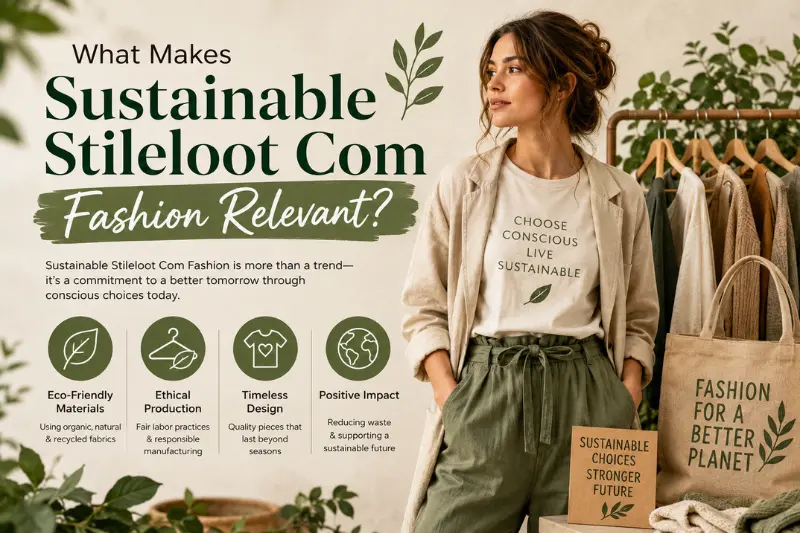
As online fashion platforms continue to grow, consumers are searching for destinations that help them discover clothing aligned with sustainability values. Sustainable Stileloot com fashion represents the broader movement toward responsible online shopping and thoughtful wardrobe building.
The appeal lies in combining several important factors:
Accessibility
Online platforms make sustainable fashion more accessible to a wider audience. Consumers can browse collections, compare products, and research brands from the comfort of their homes.
Education
Many sustainability-focused fashion resources provide information about materials, production methods, and ethical standards, helping shoppers make informed decisions.
Style Diversity
One common misconception is that sustainable fashion lacks variety. In reality, modern sustainable collections offer everything from casual basics to sophisticated formalwear.
Long-Term Value
Quality garments may cost more initially, but they often last significantly longer than fast-fashion alternatives, providing better value over time.
Sustainable Materials Changing the Industry
Materials play a crucial role in determining the environmental impact of clothing. Many sustainable fashion brands are exploring innovative fabrics that reduce resource consumption and waste.
Organic Cotton
Organic cotton is grown without synthetic pesticides and fertilizers. It often requires fewer harmful chemicals and supports healthier soil conditions.
Recycled Polyester
This material is created from recycled plastic bottles and other post-consumer waste. It helps reduce landfill waste while lowering demand for new petroleum-based resources.
Hemp
Hemp is a durable, fast-growing crop that requires relatively little water and fewer pesticides compared to conventional alternatives.
Linen
Made from flax plants, linen is biodegradable, breathable, and generally less resource-intensive than many synthetic fabrics.
Tencel and Lyocell
These fibers are produced from sustainably sourced wood pulp using environmentally responsible manufacturing processes.
Recycled Fabrics
Many brands now incorporate recycled cotton, wool, and synthetic fibers into new products, helping create a circular fashion economy.
Building a Sustainable Wardrobe
Creating a sustainable wardrobe does not require replacing every item you own. Instead, it involves making more intentional choices over time.
Buy Less, Choose Better
One of the most effective sustainability strategies is purchasing fewer but higher-quality garments. Focus on pieces that can be worn repeatedly and styled in multiple ways.
Prioritize Timeless Designs
Classic styles tend to remain fashionable for years, reducing the need for constant replacements.
Examples include:
- Well-fitted jeans
- Neutral-colored shirts
- Structured blazers
- Versatile dresses
- Quality outerwear
Research Brands
Before purchasing, take time to investigate a brand’s sustainability claims, manufacturing practices, and transparency efforts.
Care for Clothing Properly
Extending the life of garments significantly reduces environmental impact.
Helpful habits include:
- Washing in cold water
- Air drying when possible
- Following care instructions
- Repairing minor damage promptly
Embrace Secondhand Fashion
Thrift stores, resale platforms, and vintage shops offer excellent opportunities to reduce waste while finding unique pieces.
The Role of Technology in Sustainable Fashion
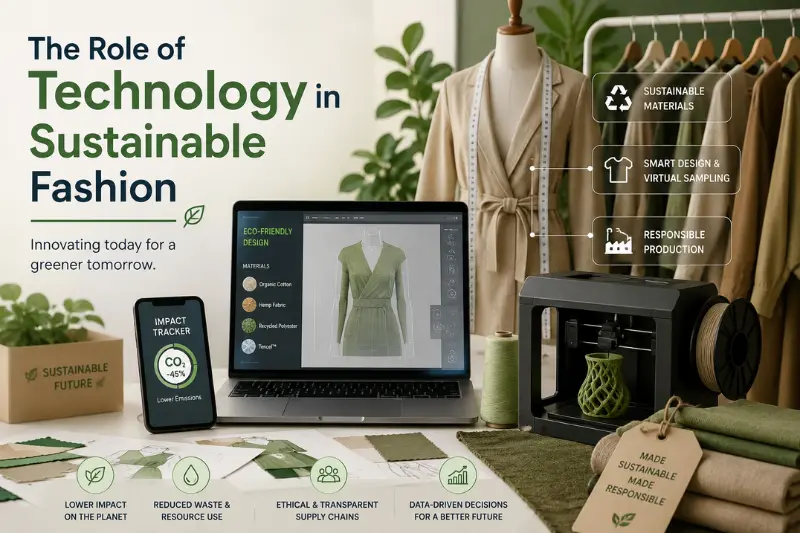
Technology is becoming an important driver of sustainability throughout the fashion industry.
Supply Chain Transparency
Digital tracking systems help consumers understand where products originate and how they are manufactured.
AI-Powered Inventory Management
Artificial intelligence helps brands predict demand more accurately, reducing overproduction and excess inventory.
Virtual Try-On Features
These tools can reduce product returns by helping customers make more accurate purchasing decisions.
Sustainable Production Innovations
New technologies are enabling waterless dyeing processes, recycled fiber manufacturing, and improved textile recycling methods.
As these innovations continue to evolve, sustainable fashion will become increasingly efficient and accessible.
Common Myths About Sustainable Fashion
Despite growing awareness, several misconceptions continue to surround sustainable fashion.
Myth 1: Sustainable Fashion Is Too Expensive
While some products have higher upfront costs, durable clothing often provides greater long-term value due to its longevity.
Myth 2: Sustainable Clothing Is Not Stylish
Modern sustainable collections offer contemporary designs, seasonal trends, and premium aesthetics comparable to traditional fashion brands.
Myth 3: One Person Cannot Make a Difference
Consumer choices collectively influence market demand. Every responsible purchase sends a signal to brands about what customers value.
Myth 4: Sustainability Means Perfection
No brand is entirely perfect. Sustainability is about continuous improvement and making better choices whenever possible.
Fashion Trends Supporting Sustainability
Several industry trends are contributing to a more sustainable future.
Capsule Wardrobes
Capsule wardrobes focus on a limited number of versatile garments that can be mixed and matched easily.
Circular Fashion
This approach encourages repairing, reselling, recycling, and repurposing clothing rather than discarding it.
Slow Fashion
Slow fashion emphasizes craftsmanship, durability, and thoughtful consumption instead of rapid trend cycles.
Upcycling
Designers are transforming existing materials and garments into new products, reducing waste while promoting creativity.
How Consumers Can Support Ethical Fashion
Supporting sustainability extends beyond purchasing decisions.
Consumers can:
- Buy only what they genuinely need
- Support ethical brands
- Donate unused clothing responsibly
- Repair damaged garments
- Choose quality over quantity
- Learn about fabric sustainability
- Participate in clothing swaps
- Reduce impulse purchases
These habits contribute to a more responsible fashion ecosystem.
The Future of Sustainable Fashion
The future of fashion is likely to be shaped by increasing transparency, technological innovation, and consumer demand for responsible products.
Several developments are expected to gain momentum:
- Greater use of recycled materials
- Enhanced garment recycling programs
- Improved supply chain visibility
- Carbon reduction initiatives
- Eco-friendly packaging solutions
- Increased investment in sustainable textiles
As awareness continues to grow, sustainability may become a standard expectation rather than a niche feature.
Conclusion
Sustainable Stileloot com fashion reflects a broader shift toward conscious consumerism and responsible style choices. Today’s fashion enthusiasts are looking beyond trends and considering the long-term impact of their purchasing decisions. By prioritizing quality, ethical production, durable materials, and mindful consumption, consumers can build wardrobes that support both personal style and environmental responsibility.
Sustainable fashion is not about sacrificing creativity or self-expression. Instead, it offers an opportunity to redefine what it means to dress well in a world increasingly focused on accountability and sustainability. Whether through investing in timeless pieces, supporting ethical brands, exploring secondhand options, or simply buying less and wearing more, every step toward sustainability contributes to a healthier future for the fashion industry and the planet.